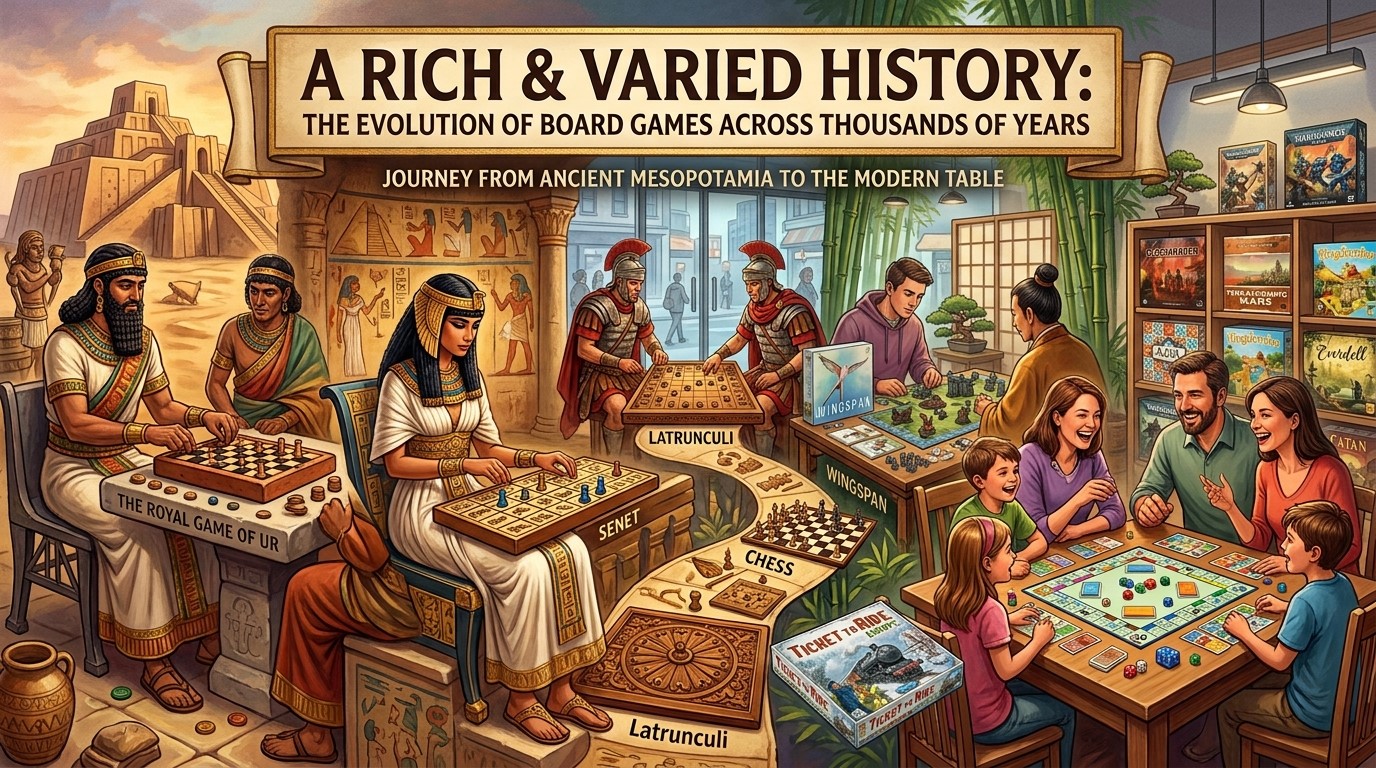
Board games have a rich and varied history that stretches back thousands of years, intertwining with the development of human civilization itself. The earliest known board games date back to ancient Mesopotamia around 3000 BC, with the game of Senet, discovered in ancient Egyptian tombs, signifying the gameplay’s significance in social and spiritual realms. Each culture developed their own unique board games, reflecting the societal values and interactions of their time.
Throughout history, board games evolved in response to cultural shifts and influences. For instance, the game of Chess, which originated in India around the 6th century AD as Chaturanga, made its way to Persia, subsequently spreading to the Islamic world and the European continent. This transition demonstrates how trade and conquest facilitated cultural exchange, allowing games to adapt and transform. The strategic elements of Chess also mirrored the military tactics of the time, revealing the deep connection between societal structure and gameplay.
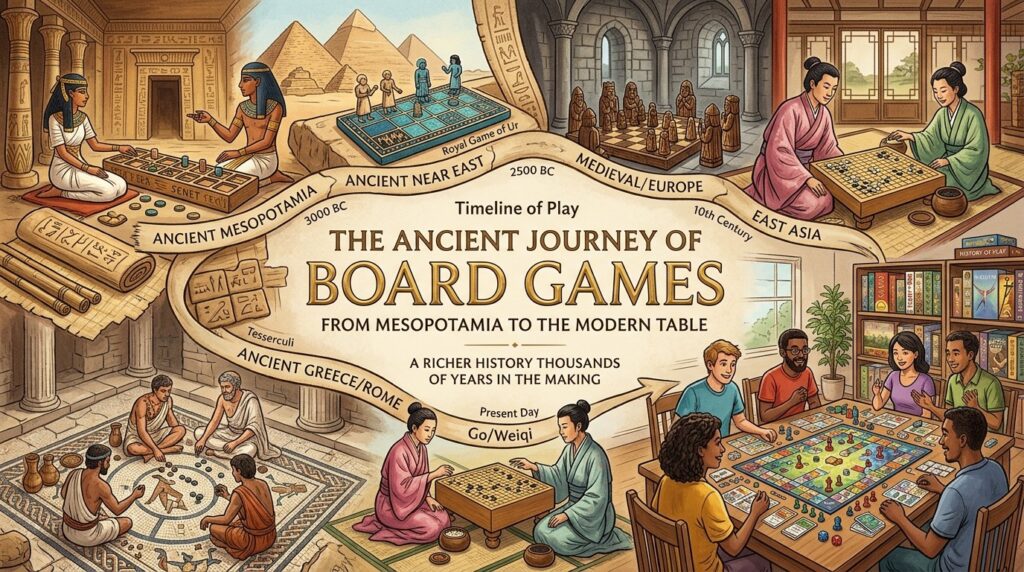
During the Middle Ages, board games were often seen as tools for education and strategic thinking, yet they also served to entertain the nobility. The Renaissance further propelled board games into popularity, as the printing press enabled widespread dissemination of game rules and materials. Monopoly-like games began emerging during the 19th century, reflecting contemporary societal values and economic themes, particularly in the context of industrialization.
With the advent of the 20th century, board games became a staple of family entertainment. The post-war period saw an explosion in board game production with classics like Scrabble and Clue, catering to a growing consumer culture. As cultural shifts continued, games started to incorporate more thematic elements, integrating strategies and cooperative play, reflecting changing societal dynamics. Today, board games encompass a plethora of genres, ranging from traditional to modern designs, each echoing the influences of their respective eras and social contexts.
Types of Board Games
Board games have evolved into a dynamic form of entertainment, presenting an array of categories that cater to diverse interests and gaming preferences. Understanding the different types of board games can enhance the gaming experience and help players find the perfect match for their gaming sessions. Among the most prominent categories are strategy games, cooperative games, party games, and role-playing games.
Strategy games require players to make tactical decisions and employ foresight to outmaneuver their opponents. Classics, such as Chess and Ticket to Ride, exemplify this category, where players must plan their moves meticulously to achieve victory. These games often involve components of resource management and territory control, appealing to those who enjoy thinking several steps ahead.
Cooperative games, on the other hand, promote teamwork and collective strategy among players, requiring them to work together toward a common goal. Popular examples include Pandemic and Spirit Island, which challenge players to strategize in response to evolving scenarios. These games foster a sense of camaraderie, making them an excellent choice for friends and family looking to cooperate rather than compete.
Party games are designed predominantly for larger groups and are typically characterized by their light-hearted nature and emphasis on social interaction. Games like Codenames and Cards Against Humanity encourage laughter and creativity, enhancing the social experience of gaming. Their rules are often straightforward, allowing players to jump in quickly without the need for extensive preparation.
Finally, role-playing games (RPGs) provide a unique storytelling experience, allowing players to immerse themselves in fictional universes. Games such as Dungeons & Dragons and Pathfinder invite players to take on different personas and navigate through narrative-driven adventures. The creativity involved in building characters and the collaboration needed to progress through quests distinguish RPGs from other categories.
Each category of board games brings its own set of experiences and challenges, appealing to different player preferences and social dynamics. By exploring these types of board games, players can discover new favorites and enrich their gaming repertoire.
Understanding Game Mechanics
Board games are beloved for their ability to provide engaging experiences and foster social interaction among players. A significant reason behind their popularity lies in the mechanics that underlie the gameplay. These mechanics not only dictate how players interact with the game but also enhance the overall enjoyment. Key concepts such as turn-taking, resource management, and dice rolling play pivotal roles in shaping the gaming experience.
Turn-taking is a fundamental mechanic present in many board games. It establishes an orderly sequence for player actions, ensuring that each participant has an opportunity to engage with the game. This rhythm maintains engagement, effectively preventing players from experiencing downtime. In turn-taking systems, players often develop strategies, anticipating opponents’ moves and planning their own actions accordingly. This aspect of mechanics encourages tactical thinking, making every game round dynamic and stimulating.
Resource management is another critical mechanic that significantly impacts gameplay. It involves players making decisions on how to utilize limited resources, such as tokens, cards, or currency, to achieve specific objectives within the game. This element introduces a layer of strategy, as players must balance immediate needs with long-term goals. Games that incorporate this mechanic often demand foresight and adaptability, prompting players to reassess their strategies in response to evolving game states. The excitement generated through resource allocation adds depth and complexity to the gaming experience.
Dice rolling mechanics introduce an element of chance, influencing the outcomes of player decisions and actions. The randomness associated with dice rolls can lead to unexpected twists, keeping players on their toes and sometimes in a precarious position. This uncertainty can enhance the thrill of gameplay, as players hold their breath in anticipation of the results. However, while luck plays a role, the best games balance dice rolling with skill-based choices, ensuring that players have agency over their fates.
In conclusion, understanding the mechanics of board games—such as turn-taking, resource management, and dice rolling—provides insight into their appeal and engages players on multiple levels. These various components work together to deliver immersive experiences that challenge cognitive skills and facilitate social interaction, making board games a remarkable form of entertainment.
The Art of Game Design
Designing a board game is a multifaceted process that requires creativity, strategic thinking, and meticulous attention to detail. The initial phase typically begins with conceptualizing a theme that resonates with potential players. This theme could range from fantasy worlds to historical events, or even abstract concepts. A compelling theme not only sets the tone of the game but also guides the development of its mechanics and story.
Following theme establishment, the next critical step involves choosing the game components. These components can include game boards, cards, tokens, and dice, each playing an integral role in gameplay. Effective component design can enhance the visual appeal and functionality of the game. For instance, cards must be designed for clear readability, while tokens should be easily distinguishable to facilitate gameplay. In this stage, a prototype is often created to bring the game to life in a tangible format, allowing designers to visualize the components in action.
Rule creation is perhaps one of the most important aspects of game design, as these rules govern how players interact with the game. The rules must be comprehensive yet concise, balancing complexity with ease of understanding. A well-defined rule set contributes to a smooth gameplay experience, encouraging players to engage and immerse themselves in the game world.
Equally important to the design process is playtesting, which involves testing the game with real players. This stage is crucial for gathering feedback and identifying areas for improvement. Playtesting can reveal unforeseen issues such as imbalance in gameplay mechanics or unclear rules. Continuous iteration based on feedback is essential; adjustments may include tweaking rules, modifying components, or even rethinking aspects of the theme. Ultimately, the refinement process aligns the game closer to its intended vision and ensures a satisfying experience for players, solidifying the art of game design as a dynamic and evolving discipline.
Social Benefits of Board Gaming
Board games have long been recognized not just for their entertainment value but also for their significant social benefits. Engaging in a board game facilitates a unique form of social interaction that can foster communication among players. As participants gather around a table, they often find themselves discussing strategies, sharing stories, and even negotiating terms—all elements that enhance interpersonal connections.
Teamwork is another crucial aspect of many board games. Games that require group cooperation to achieve a common goal encourage players to collaborate and develop their collective problem-solving skills. This can be particularly beneficial in mixed groups, where individuals from diverse backgrounds must work together, forging bonds through shared experiences. The necessity of collaborating raises an awareness of each player’s strengths and weaknesses, promoting understanding and camaraderie.
Moreover, board games play a vital role in community building. They provide a platform for individuals to come together, breaking down barriers created by age, culture, or social status. Community centers, cafes, and homes often host game nights, creating welcoming environments where new friendships can flourish. Such gatherings cultivate a sense of belonging, allowing participants to share laughter and enjoy moments of friendly rivalry.
Additionally, the inclusive nature of board gaming serves to attract a wide range of participants. Games designed for varying skill levels ensure that everyone can partake, regardless of prior experience. As players engage in these activities, they develop mutual respect for one another, further enhancing the social dynamics of the group.
In conclusion, board games offer a plethora of social benefits that extend beyond mere entertainment. They foster communication, encourage teamwork, and build communities among diverse groups, creating an enriching experience for all involved.
Board Games in the Digital Age
The evolution of technology has had a profound impact on various facets of entertainment, and board games are no exception. As digital capabilities have advanced, traditional board games have witnessed substantial transformations, particularly with the emergence of online platforms and mobile applications. This digital integration has opened new avenues for play, enabling enthusiasts to engage in their favorite games from virtually anywhere in the world.
Online board games have gained significant traction over the years, providing players with the option to connect with others across distances. Platforms such as Tabletop Simulator and Board Game Arena have revolutionized how individuals participate in board gaming. Players can now experience well-established classics and even new titles through virtual interfaces. This accessibility has increased the appeal of board games, allowing users to find opponents effortlessly at any hour.
Moreover, mobile apps dedicated to popular board games, such as Catan and Carcassonne, have contributed to the widespread enjoyment of these games. The convenience of playing on smartphones or tablets ensures that users can indulge in their favorite pastimes during commutes or breaks, thus integrating board games more seamlessly into everyday life.
However, it is crucial to strike a balance between traditional and digital forms of play. While the digital age has broadened the audience and accessibility of board games, many purists argue for the inherent value of in-person interactions that accompany tabletop gameplay. The tactile experience of handling game pieces and gathering around a table with friends offers a unique and social dimension that cannot be replicated digitally.
In light of these developments, the board gaming community continues to thrive, adapting to the changing landscape while striving to maintain the core essence of human connection that traditional games foster. Ultimately, the dual existence of board games in both physical and digital formats enriches the experience for players, ensuring that this beloved pastime remains relevant and engaging in today’s fast-paced world.
Top Board Games to Try
Board games have become increasingly popular, appealing to a wide range of age groups and skill levels. Below is a curated list of must-play board games that cater to different preferences and play styles, ensuring there’s something for everyone.
Catan – Suitable for ages 10 and up, Catan is a classic strategy game where players gather resources, build settlements, and trade with each other. Its engaging mechanics and interactive play style make it a favorite among families and friends.
Ticket to Ride – Ideal for ages 8 and older, this game revolves around building train routes across North America. It’s perfect for those who enjoy both strategy and a bit of luck, making it accessible for younger players while still challenging for adults.
Carcassonne – This tile-placement game, which is recommended for ages 7 and up, allows players to construct landscapes and score points by completing features like cities and roads. Its simplicity yet depth makes it a great choice for novice and seasoned gamers alike.
Pandemic – For those who prefer cooperative gameplay, Pandemic is an excellent choice. Players work together to stop global outbreaks of diseases. Suitable for ages 8 and up, it fosters teamwork and strategic thinking.
Azul – This tile-drafting game is suitable for players aged 8 and older. Players take turns selecting tiles to complete patterns on their boards. The beautiful components and clever gameplay ensure a delightful experience for both casual and competitive players.
Codenames – A party game suitable for ages 14 and up, Codenames requires teams to guess words based on one-word clues. Its fast-paced and social nature makes it a great option for game nights with friends.
These games exemplify the diversity found in the board gaming world, offering something for every player. Whether you prefer strategic depth, collaborative efforts, or lighthearted fun, this list of top board games is a solid starting point for exploring the vast landscape of tabletop enthusiasts. Each suggested game not only offers unique mechanics but also appeals to a wide array of skill levels, making them accessible to beginners while still providing depth for experienced players.
The Future of Board Gaming
The evolution of board gaming has opened the door to a myriad of possibilities that are likely to define the future of this dynamic hobby. As consumer interests shift, we can anticipate several trends that may shape the next era of board games. One of the most prominent themes is the increasing popularity of hybrid and digital board games. The integration of technology has made it possible for traditional board games to be played digitally, allowing for greater accessibility and innovative gameplay experiences. This trend is likely to expand, with developers creating games that blend physical components with digital elements to enhance interactivity and engagement.
Another significant aspect to consider is the expanding range of themes and narratives within board games. Today’s gamers are seeking inclusive and diverse stories that resonate with a broad audience. Expect an uptick in games that explore underrepresented cultures and social issues, promoting empathy and understanding through gameplay. Furthermore, cooperative games that emphasize teamwork and shared objectives are gaining traction, which reflects a societal desire for connection and collaboration.
Demographic shifts also play a crucial role in shaping the future of board gaming. As younger generations, particularly millennials and Gen Z, enter the gaming scene, their preferences will influence game development. These groups prioritize sustainability and social impact; hence, more publishers may start to consider eco-friendly materials and practices in their production processes. Additionally, the rise of online communities and platforms for board game enthusiasts will likely foster new trends in game design, as players demand more unique, engaging, and customizable experiences.
In conclusion, the future of board gaming looks promising, with a blend of technological integration, diverse themes, and shifting demographics likely to guide innovation in this vibrant industry. As these trends emerge, they will collectively redefine the board gaming landscape, ensuring its relevance and appeal for generations to come.
Getting Involved in the Board Game Community
Connecting with other board game enthusiasts can greatly enhance your gaming experience and provide opportunities to learn about new games and strategies. There are various avenues through which individuals can immerse themselves in the board game community, each offering unique benefits and social interactions.
One of the most effective ways to engage with fellow fans is by joining local board game clubs. Many towns and cities have dedicated groups that meet regularly to play games together. This not only provides an excellent platform to discover new board games but also fosters friendships among members who share similar interests. To find a club near you, consider searching online platforms like Meetup or checking community boards at local game stores.
Another popular option is to attend board game conventions. These events attract enthusiasts from all walks of life and often feature a wide array of games alongside opportunities to meet designers and other players. Conventions typically include organized play, tournaments, and workshops that can take your gaming skills to the next level. They also offer a festive atmosphere where participants can enjoy themed events and socialize throughout the duration of the convention.
For those who prefer the convenience of online interactions, participating in online forums and social media groups is a great alternative. Websites like BoardGameGeek provide extensive resources for gamers, including forums where you can discuss strategies, share reviews, and connect with other board game lovers from around the globe. Additionally, platforms such as Facebook and Reddit host several groups dedicated to specific genres or styles of board games, which can be a fantastic way to foster discussions and find play partners.
In conclusion, whether through local clubs, conventions, or online forums, there are numerous ways to connect with other board game enthusiasts. Engaging in these communities not only enriches your gameplay experience but also opens doors to a wider understanding and appreciation of board gaming as a whole.