These backpacks are specifically tailored for durability and functionality in demanding environments. They are constructed with high-quality materials that offer resistance to wear and tear, ensuring that they can withstand the rigors of outdoor use.

🔗 Amazon Associate links to products that may be a good fit. Also, links are ethically made through Amazon where I earn from qualifying purchases.
| Shopping Link | Benefits |
|---|---|
| Ripstop Nylon Backpacks | High tensile strength, lightweight sport and trail options. |
| Water-Resistant Polyester Packs | UV-resistant and tactical everyday-carry adventure gear. |
| Vintage Canvas Rucksacks | Heavy-duty, classic design aesthetics for rugged travel. |
| Waterproof Dry Bag Backpacks | Heavy weather protection, watersports, and kayaking packs. |
| Lightweight Daypacks | 15L to 30L compact setups for short single-day excursions. |
| Internal Frame Trekking Packs | Structural 50L to 70L heavy-duty packs with premium hip belts. |
| Tear-resistant Survival Gear | Ultra-durable ripstop fabrics engineered against abrasions. |
| 40L, 50L, 60L, and 70L Packs | Targets the exact capacity window recommended. |
One of the primary features that distinguishes adventure backpacks from regular backpacks is their ergonomic design. They often include adjustable straps, padded backs, and hip belts that promote comfort and weight distribution. This design minimizes fatigue during extended periods of use, making them ideal for long treks and outings. Additionally, many adventure backpacks incorporate modular compartments and pockets to facilitate organization, allowing users to conveniently store gear, supplies, and personal items.
The importance of choosing the right adventure backpack cannot be overstated, as it directly impacts the efficiency and enjoyment of outdoor activities. A poorly chosen backpack can lead to discomfort, hinder mobility, and compromise the accessibility of essential gear. Adventure backpacks are available in a variety of styles and sizes, accommodating different types of adventures and personal preferences. Whether you are a casual hiker or an avid mountaineer, selecting an appropriate backpack ensures that your equipment is carried securely and comfortably.
In diverse outdoor scenarios, whether traversing rugged terrain or embarking on a multi-day camping trip, opting for a high-quality adventure backpack will significantly enhance your experience. Understanding the features and benefits of these backpacks is crucial for adventure enthusiasts who wish to embark on their journeys fully prepared and equipped.
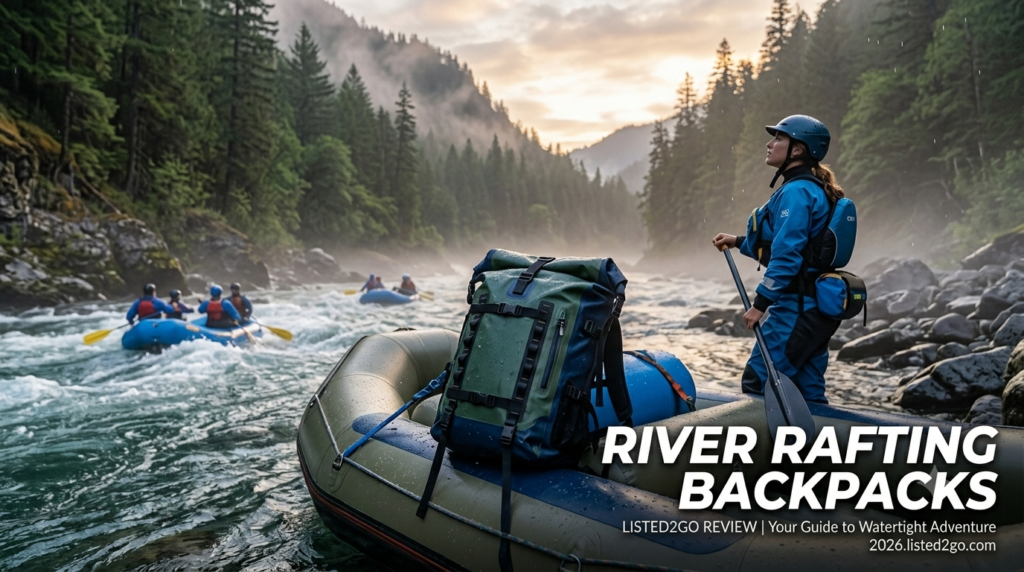
Common Materials Used in Adventure Backpacks
The construction of adventure backpacks significantly relies on the choice of materials, which directly influences their durability, weight, and comfort. One of the most prevalent fabrics used in adventure backpacks is nylon. Known for its high tensile strength, nylon is lightweight yet incredibly durable, making it ideal for rugged outdoor activities. Its resistance to wear and tear ensures that backpacks can withstand the forces of nature without sustaining damage.
Polyester is another commonly utilized fabric noted for its affordability and robust performance. While it may not be as strong as nylon, polyester offers excellent resistance to UV rays, which makes it suitable for prolonged exposure to sunlight. This resistance helps maintain the backpack’s aesthetic appeal and integrity over time, thereby enhancing its longevity in outdoor settings.
Canvas, though traditionally heavier than nylon and polyester, is also used in some adventure backpacks, largely due to its classic appearance and exceptional durability. Canvas backpacks tend to be more water-resistant when treated effectively, and they are favored for their robustness in various weather conditions.
In addition to these common fabrics, many adventure backpacks incorporate waterproof materials to ensure the safety of their contents during wet conditions. These materials are often designed to repel water while still being breathable, thus preventing moisture accumulation inside the bag. Breathable materials allow for ventilation, which is crucial in preventing the buildup of moisture from sweat during active use.
Ultimately, the choice of materials in adventure backpacks determines not just durability and weight, but also the comfort level of the user. Understanding the properties of these fabrics aids consumers in selecting the right backpack suited to their specific outdoor pursuits.
🔗 As an Amazon Associate, here are links to products that may be a good fit. Also, links are ethically made through Amazon where I earn from qualifying purchases.

Benefits of Different Backpack Materials
When selecting an adventure backpack, understanding the benefits of various materials is essential for optimizing performance and durability during outdoor activities. Different materials offer unique properties that cater to specific needs, from weather resistance to overall longevity.
A common choice for adventure backpacks is nylon, which is known for its durability and resistance to abrasion. This material is lightweight, making it an excellent option for long hikes where reducing pack weight is crucial. The use of reinforced nylon can further enhance longevity, ensuring that the backpack withstands rough terrains without compromising the integrity of the fabric.
Another popular material is polyester, which provides excellent weather resistance. Many polyester backpacks come with a water-repellent coating that helps keep the contents dry in light rain, ensuring that essential gear, such as electronics and clothing, remains protected. This property makes polyester an excellent choice for hikers and campers encountering unpredictable weather conditions.
Additionally, some adventure backpacks incorporate materials such as ripstop fabric, which is designed to prevent tears from spreading. This feature enhances the backpack’s overall lifespan, providing reassurance for those who frequently navigate rugged environments. The lightweight nature of ripstop also facilitates easy carrying, a significant advantage during lengthy treks.
Moreover, the impact of these materials on maintenance should not be overlooked. Backpacks made from synthetic materials like nylon and polyester are generally easier to clean and dry faster, directing adventurers’ focus towards enjoying their experiences rather than worrying about their equipment maintenance.
Ultimately, selecting the right material can significantly enhance the user experience, ensuring that adventurers are equipped for different conditions while optimizing comfort and reliability on their journeys.
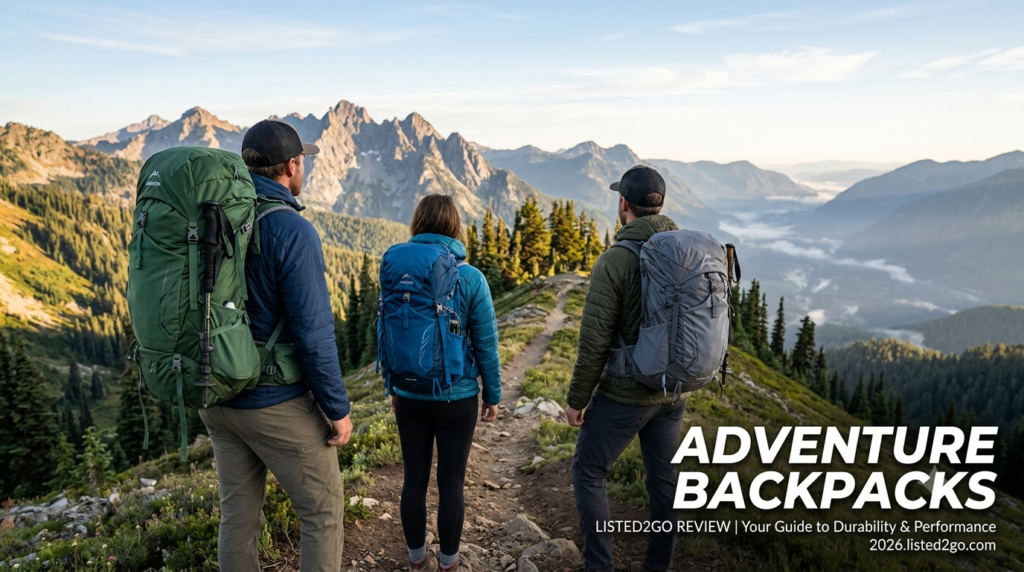
Choosing the Right Adventure Backpack for Your Needs
When it comes to selecting an adventure backpack, personal needs and preferences play a critical role. The first step is to assess your intended activities. For instance, a day hike may require a lightweight, compact design, while multi-day trekking adventures will necessitate a more spacious backpack with increased support and durability. Understanding the differences in usage will aid in selecting the right backpack material as well.
Backpacks are constructed using various materials, each offering distinct advantages. Nylon and polyester are common choices due to their lightweight and water-resistant properties. If you anticipate exposure to harsher conditions, opting for backpacks made of ripstop materials can provide additional durability. For those planning to engage in activities like climbing or kayaking, exploring waterproof options will ensure that your gear remains protected.
The weight and capacity of the backpack are also paramount considerations. A general rule is to select a pack that efficiently balances storage capacity with weight. If you are carrying gear for long durations, aim for a backpack that provides enough capacity, generally between 40-70 liters, without being excessively heavy. It is advisable to consider gear for an overnight camping trip or an extended trek to determine the capacity you will require.
Lastly, matching backpack features with specific adventure requirements is essential for comfort and functionality. Adjustable straps, ventilation systems, and hip belts can significantly enhance your experience by distributing weight effectively. Look for pockets and attachment points that allow for easy access to frequently used items while ensuring overall organization. By considering these factors, you can make an informed decision that aligns with your adventure goals.