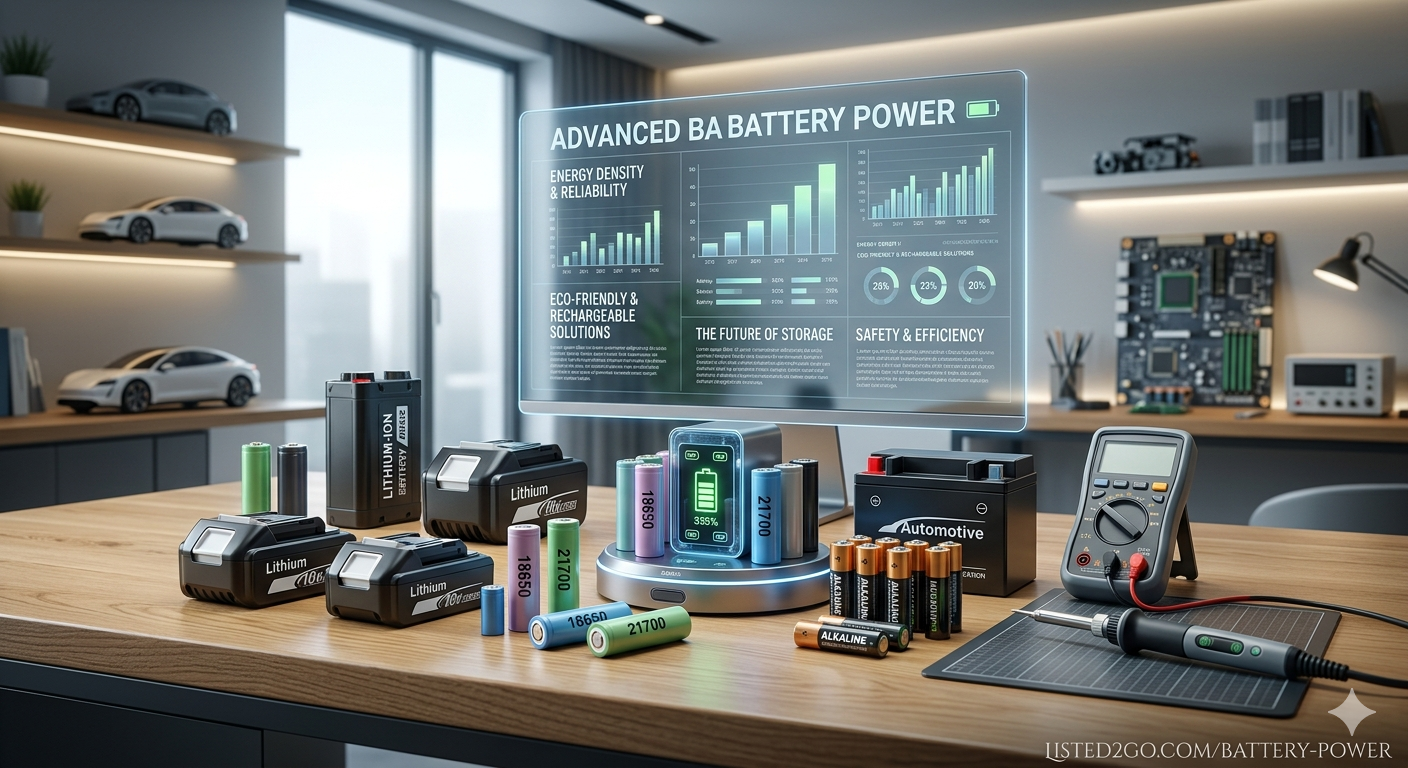
Essential components in modern technology, serving as pivotal energy storage systems that convert chemical energy into electrical energy. At their core, batteries consist of one or more electrochemical cells, which facilitate the movement of electrons through an external circuit. This process allows batteries to store energy for use in various applications, from powering small devices like wristwatches and smartphones to supporting larger systems such as electric vehicles and renewable energy installations.
The functionality of a battery primarily revolves around its ability to hold charge and discharge it when needed. Batteries are characterized by their voltage, capacity, and type, with common varieties including alkaline, lithium-ion, and sealed lead-acid. Each type exhibits specific attributes that make it suitable for different applications, thus influencing their usage in everyday life.
One of the most significant advancements in battery technology has been the rise of lithium-ion batteries, which are widely used in portable electronics due to their high energy density and efficiency. These batteries play a substantial role in the global technology landscape, enabling the operation of devices that have become indispensable in our daily routines. Furthermore, with the push towards sustainable energy, batteries are increasingly utilized in electric vehicles and as part of energy storage systems for solar or wind energy. These applications highlight the increasing importance of battery technology as we transition towards more sustainable energy solutions.
In conclusion, an understanding of batteries encompasses the fundamental principles of how they function and their wide-ranging uses. As we continue to rely on various technological innovations, the importance of batteries and their development is likely to expand, driving further advancements in energy storage solutions.
Types of Batteries and Their Features
Batteries are integral components of modern technology, with several types available, each serving unique functions and exhibiting distinct features. Among the most prevalent types are lead-acid, lithium-ion, nickel-cadmium, and nickel-metal hydride batteries, each offering a range of characteristics that cater to various applications.
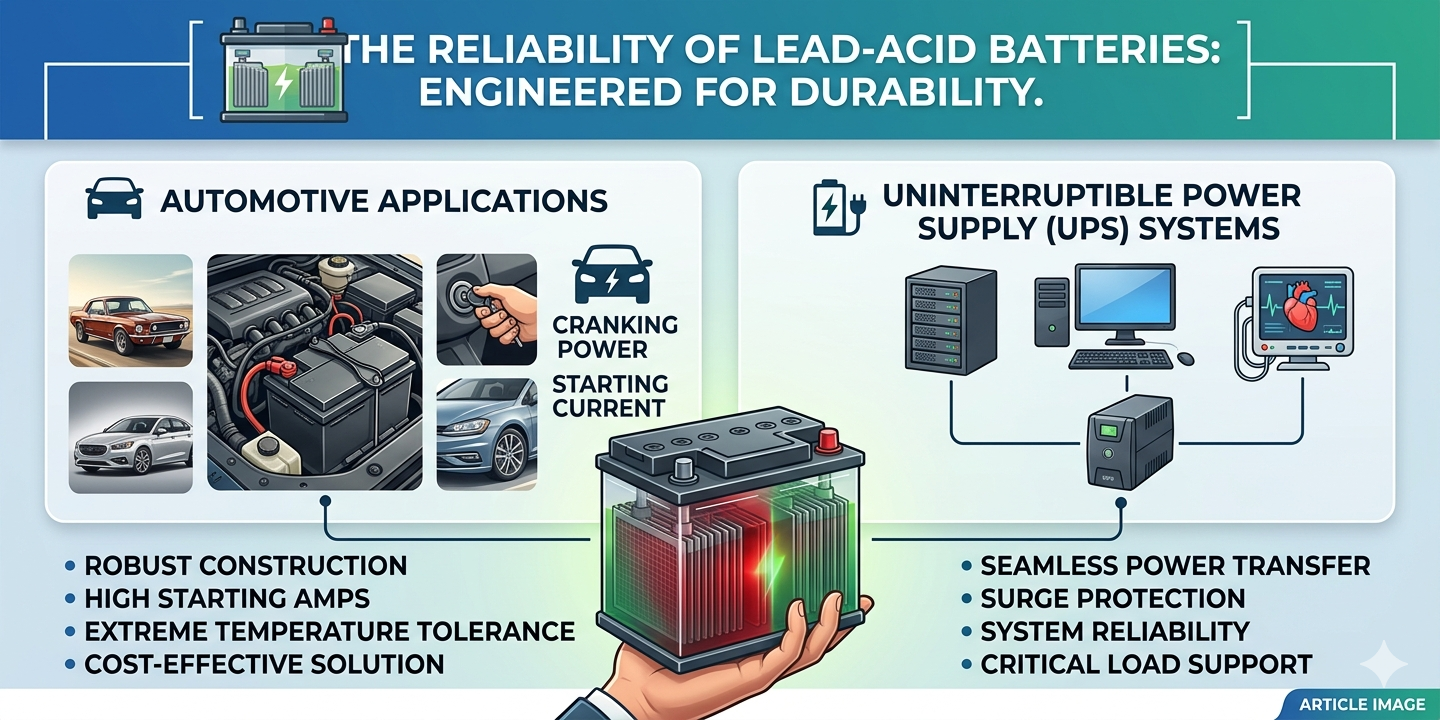
Lead-Acid Batteries are widely recognized for their robustness and long-standing use in automotive applications. They typically possess a lower energy density but are favored for their affordability and reliability. With a lifespan of approximately 3-5 years, lead-acid batteries can endure frequent recharging cycles, making them suitable for vehicles and emergency power supplies. However, their weight and size can be considerable drawbacks.
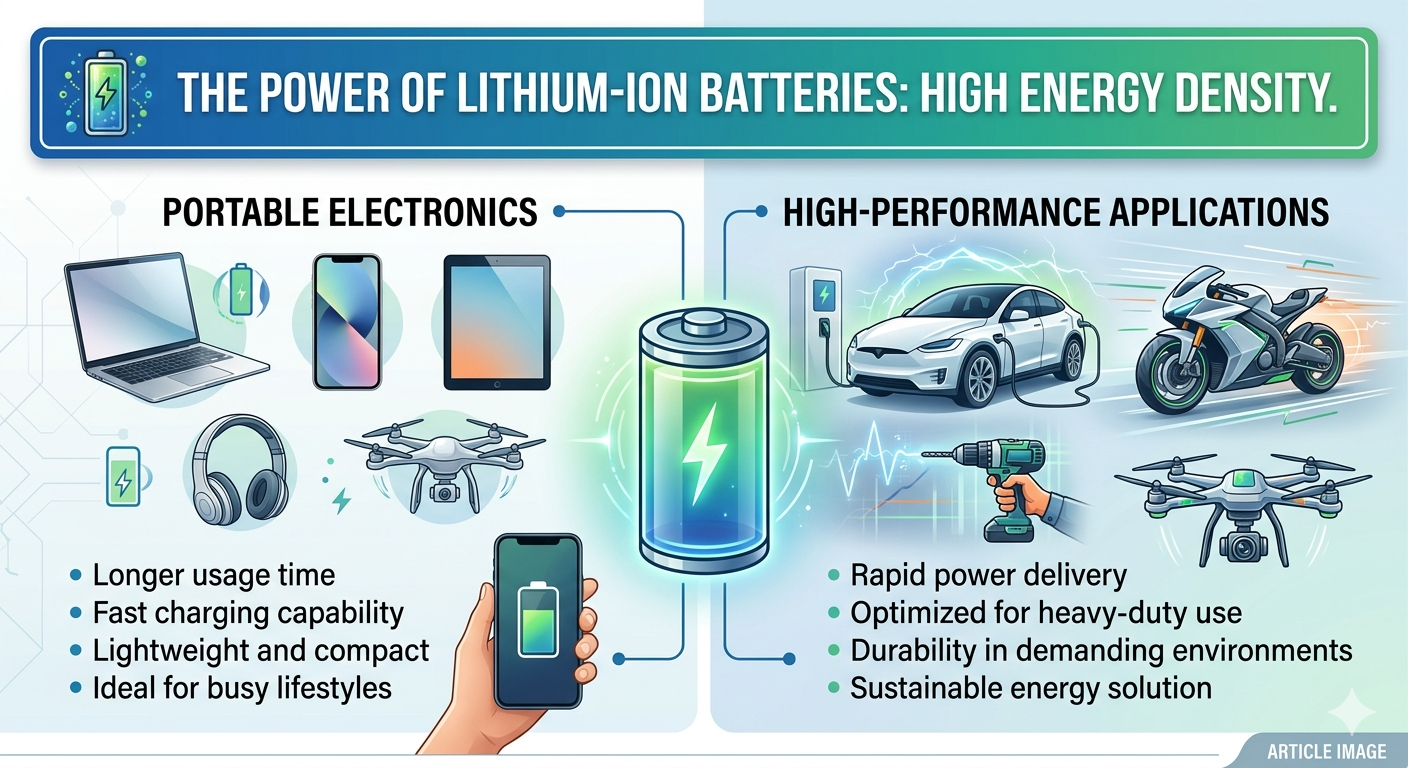
Lithium-Ion Batteries have gained significant popularity due to their high energy density, lightweight composition, and excellent rechargeability. Commonly found in smartphones and electric vehicles, these batteries can last for 8-15 years and have consistent discharge rates, making them ideal for high-performance applications. Nonetheless, they are generally more expensive than their lead-acid counterparts and require careful handling to prevent thermal runaway.
Nickel-Cadmium (NiCd) Batteries were once dominant in portable tools and devices, known for their durability and ability to deliver a high discharge rate. However, their memory effect and environmental concerns due to cadmium content have led to reduced popularity. Their lifespan can reach about 2-5 years, and although they are cheaper to produce, they have largely been supplanted by newer technologies.
Furthermore, Nickel-Metal Hydride (NiMH) Batteries serve as a more environmentally friendly alternative to NiCd batteries. They boast higher energy densities and are recyclable, yet they tend to have shorter lifespans compared to lithium-ion batteries. Each battery type presents a unique mix of advantages and disadvantages, making it essential for users to choose based on specific needs and usage requirements.
Common Mistakes to Avoid When Using Batteries
Batteries are vital components in a multitude of devices, ranging from smartphones to electric vehicles. However, many users inadvertently make common mistakes that can compromise battery performance and longevity. Understanding these pitfalls is essential for effective battery management.
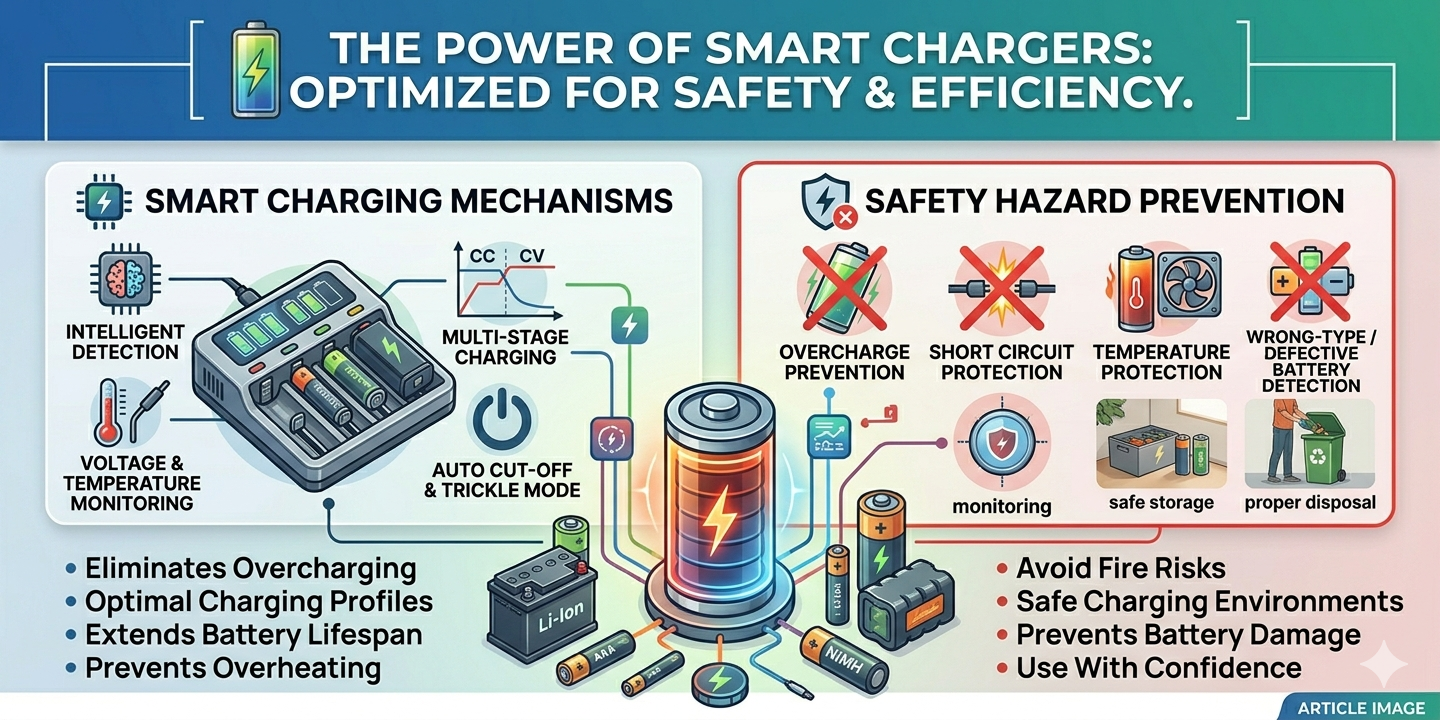
One prevalent error is improper charging practices. Many users leave their devices plugged in long after they are fully charged, which can lead to overcharging. This condition can cause the battery’s life to degrade significantly and may even result in overheating or swelling. To enhance battery life, it is recommended to unplug devices once they reach full charge, and utilize smart chargers that automatically cut off power when charging is complete.
Another mistake is inadequate storage of batteries. Storing batteries in extreme temperatures can adversely affect their performance. Batteries should ideally be kept in a cool, dry place, away from direct sunlight or heat sources. For lithium-ion batteries, it’s also important to store them at around 50% charge for optimal long-term storage, as extreme charge levels can cause capacity loss.
Moreover, neglecting safety protocols can pose serious risks. Many users may overlook the importance of using the correct charger for their batteries. Incompatible chargers may over-voltage, potentially leading to explosions or other hazardous situations. Always refer to the manufacturer’s guidelines to ensure that you are using the right charger for your specific battery type.
Additionally, improper disposal of batteries can result in environmental hazards. It is crucial to follow local regulations for battery disposal or recycling to mitigate potential environmental damage.
In conclusion, being aware of these common mistakes and adopting proper battery management practices can ensure safer and more effective usage of batteries across various applications. By highlighting areas such as charging, storage, and safety, users can significantly extend their battery life and maintain optimal performance.
Best Use Cases for Different Battery Types
Understanding the various battery types and their optimal applications is essential for selecting the most suitable energy storage solution for your needs. Each battery type comes with its unique features and specifications that make it excel in certain conditions, while marginalizing its performance in others. This section will outline the best use cases for conventional battery types, including lead-acid, lithium-ion, nickel-metal hydride, and more.
Lead-acid batteries are well-known for their affordability and robust construction, making them ideal for applications such as automotive ignition systems and uninterruptible power supplies (UPS). Their ability to deliver high surge currents is particularly beneficial for starting engines. However, their lifespan is limited under deep discharge conditions, making them less suitable for high-drain applications.
Lithium-ion batteries stand out for their high energy density, negligible self-discharge, and extended lifespan, positioning them as the go-to choice for portable electronics and electric vehicles. These batteries thrive in applications where weight and size are critical factors, like smartphones, laptops, and electric cars. Nonetheless, they are more expensive upfront compared to other types, which should be considered against their long-term benefits.
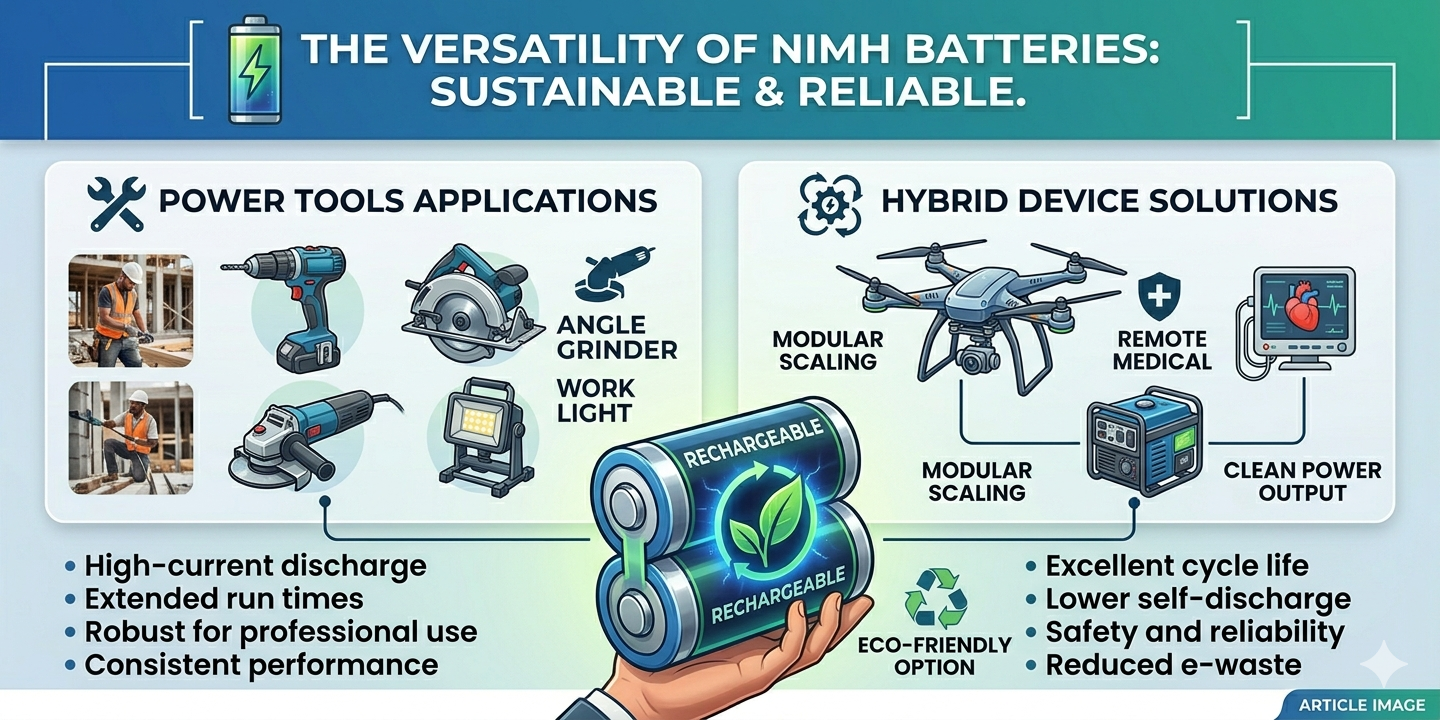
Nickel-metal hydride (NiMH) batteries serve as an effective middle ground between lead-acid and lithium-ion options. They are commonly found in hybrid vehicles and rechargeable power tools, offering a balance between cost-effectiveness and energy efficiency. Their performance in maintaining capacity under varying temperatures makes them particularly useful in environments with fluctuating conditions.
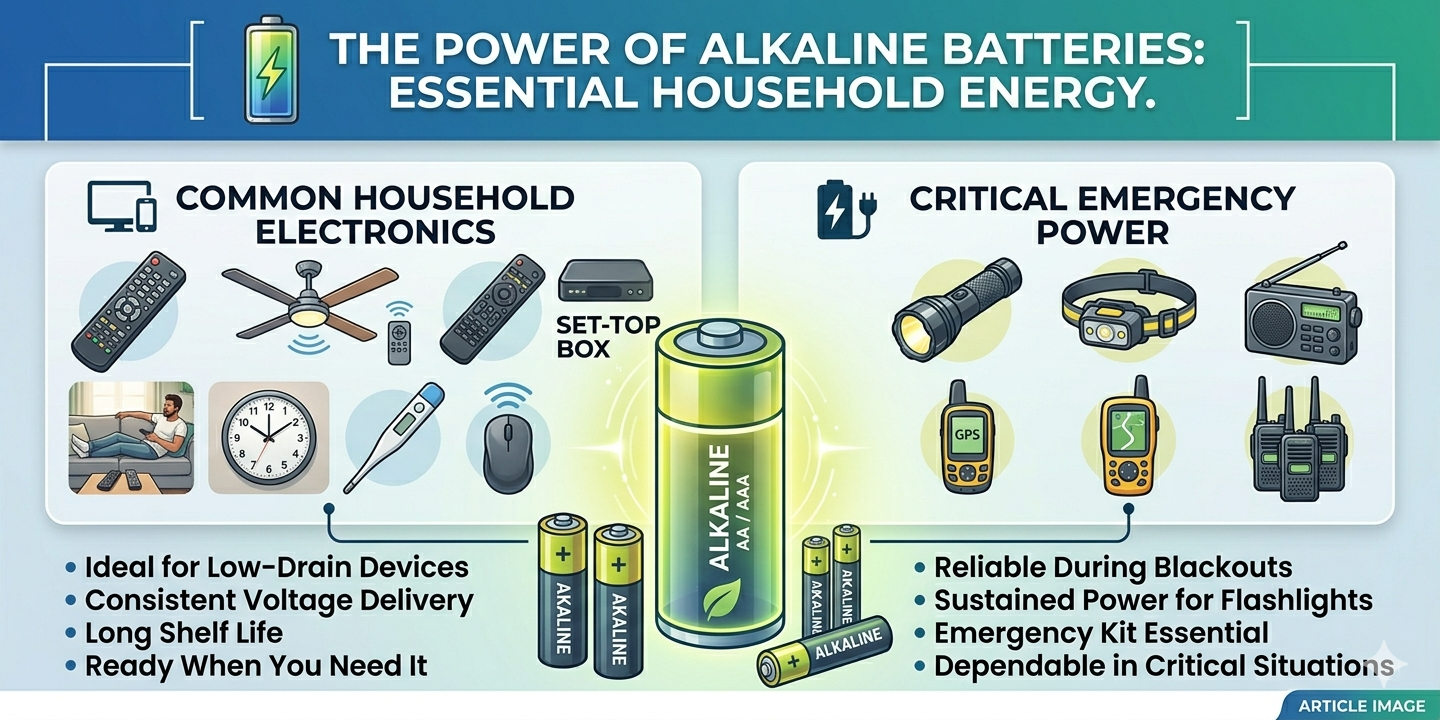
Finally, alkaline batteries, despite their limitations in terms of rechargeable capabilities, remain prevalent in household applications such as TV remotes and flashlights due to their availability and low cost. Understanding these diverse applications ensures you can choose the right battery that aligns with your specific performance requirements and budget considerations.