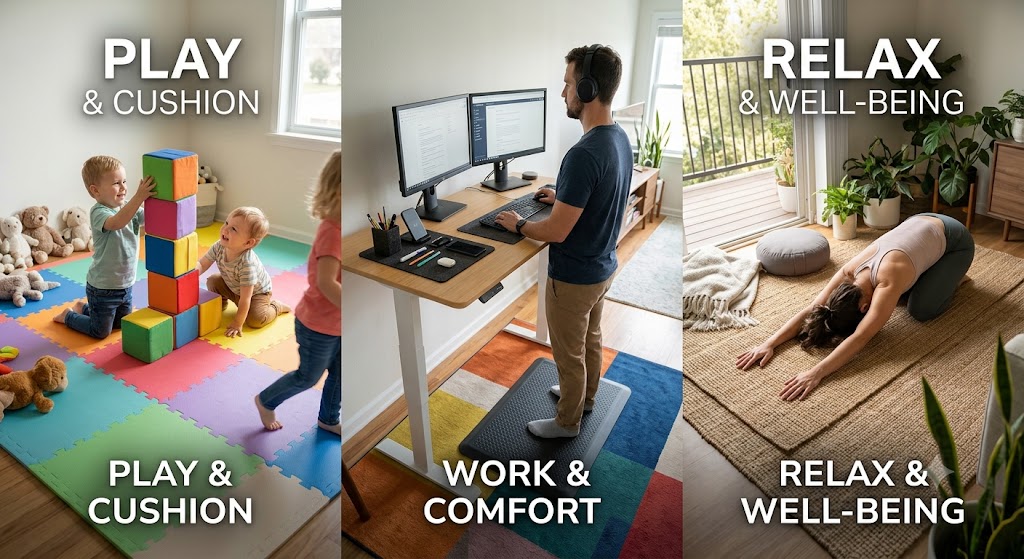
Mats are often viewed as simple accessories for floors, yet their potential extends far beyond mere decoration or protection. These versatile elements can transform spaces in various ways, enhancing both functionality and comfort in multiple settings. Whether used for play, work, or relaxation, the applications of mats are diverse and impactful.
In children’s play areas, mats serve as safe surfaces that cushion falls and provide a colorful backdrop for imaginative play. The right mat can create an inviting atmosphere, allowing children to engage with their environment while minimizing the risk of injury. Mats designed for play can also be easily transported, enabling versatile use in parks, backyards, or playrooms.
In work environments, the use of mats can significantly improve both comfort and productivity. Anti-fatigue mats promote better posture and reduce strain for individuals who spend long hours standing. They can be strategically placed in kitchens, workshops, or retail spaces to provide support, aiding in the overall well-being of employees. Moreover, mats can delineate areas for different tasks, promoting organization within the workspace.
For relaxation, mats can act as islands of comfort in both indoor and outdoor settings. From yoga sessions at home to picnics in the park, the right mat enhances the enjoyment of these activities, offering a comfortable surface to sit or lie on. Outdoor mats made from durable, weather-resistant materials provide the ideal solution for enjoying nature while maintaining comfort and cleanliness.
In summary, the ability of mats to enhance various environments is undeniable. Their role as multifunctional tools not only aids in creating spaces that are enjoyable and efficient but also transforms everyday experiences into memorable ones. As we explore innovative uses for mats, it becomes clear that a simple mat has the power to change our surroundings significantly.
Mats in Play: Creating Engaging Environments for Children
Mats play a pivotal role in enhancing playtime settings, such as playrooms and outdoor areas, by providing a designated space that promotes safety and creativity. Utilizing various types of mats in these environments can significantly affect children’s engagement and enjoyment during play. Soft foam play mats, for instance, are specifically designed for safety and cushioning, reducing the risk of injury while children navigate their activities. These mats serve not only as a protective layer but also as a comfortable area where children can explore their imagination.
When it comes to encouraging creativity, colorful puzzle mats can transform ordinary playtime into an extraordinary experience. With vibrant designs and patterns, these mats can ignite a child’s curiosity and enhance their creative play. Whether featuring popular characters, shapes, or educational themes, these mats can stimulate young minds, leading to hours of imaginative games. Additionally, the visual appeal of such mats can help define play zones, organizing space in a way that encourages exploration and interactivity among multiple children.
Moreover, the practicality of mats cannot be overlooked, especially in environments where messes are inevitable. Easy-to-clean silicone or waterproof mats made of durable materials allow caregivers to maintain a hygienic play area without substantial effort. This feature is particularly important in spaces where snacks and art materials may create potential messes. Quick and hassle-free cleanup ensures that children can return to play without interruptions, fostering a stress-free atmosphere for both children and their guardians.
By strategically selecting the right mats for play environments, caregivers can create engaging spaces that promote safety, encourage creativity, and facilitate easy maintenance. Investing in high-quality mats is essential for ensuring that playtime remains both enjoyable and secure for children.
Transforming Spaces for Work: The Role of Mats in Home Offices
In today’s world, where remote work has become increasingly prevalent, the significance of designing a conducive home office cannot be overlooked. One valuable component that can enhance productivity and comfort in such environments is the versatile mat. Incorporating different types of mats into a home office setup could greatly influence both the physical and aesthetic aspects of the workspace.
Ergonomic desk mats, for instance, are designed to provide support and comfort during extended periods of sitting or standing. These mats feature cushioning that helps to alleviate strain on the lower back and joints, promoting better posture while working at a desk. Integrating an ergonomic mat can significantly improve comfort levels and consequently increase work output. Placing a protective clear office chair mat underneath an office chair can turn a conventional workspace into a more health-conscious, floor-protecting, and inviting setting.
Moreover, noise-reducing mats contribute to the overall tranquility of a shared environment. In homes with multiple occupants, these mats are instrumental in minimizing distractions caused by foot traffic or movement. By strategically placing noise-absorbing interlocking mats at entry points or around workstations, individuals can create a harmonious atmosphere that fosters concentration.
The aesthetic aspect of mats should not be overlooked either. Mats come in various designs, colors, and textures that can enhance the visual appeal of a home office. Selecting stylish area rug mats that complement the decor of the workspace can lead to a more cohesive and motivating environment. Using mats in combination with other decor elements allows for creative arrangements that define work zones clearly, making it easier to transition between different tasks.
In essence, the thoughtful selection and arrangement of mats in a home office can dramatically influence both productivity and comfort. By considering ergonomic features, noise-reduction capabilities, and aesthetic contributions, individuals can cultivate an inviting and efficient work environment.
Rest and Relaxation: How Mats Enrich Leisure Spaces
In today’s fast-paced world, the significance of creating tranquil spaces for rest and relaxation cannot be overstated. Mats serve as an essential component in establishing comfortable leisure areas, whether indoors or outdoors. They not only provide physical comfort but also enhance the aesthetic appeal of a space, making them ideal for creating inviting environments to unwind.
Indoor relaxation can be greatly improved with the use of plush memory foam rugs. These mats can define separate areas within larger rooms, such as creating a cozy nook in a living room for reading or engaging in hobbies. Selecting mats made from premium materials can significantly increase comfort, allowing individuals to truly relax in their space. Additionally, mats with stylish designs can be used to complement existing decor, contributing to a harmonious atmosphere that promotes relaxation.
Outdoors, mats can elevate a picnic setup or backyard gathering. By providing a soft surface, they transform any outdoor location into a comfortable lounging spot. Oversized waterproof outdoor mats specifically designed for outdoor use are usually made of durable, weather-resistant materials, which further enhance their utility. Choosing a large mat can create an inviting space for family gatherings or hangouts with friends, allowing everyone to enjoy the sunshine in comfort.
Meditation practices can also greatly benefit from the use of mats. Specialized meditation zabuton mats provide cushioned support, allowing practitioners to maintain comfort during sessions while also being lightweight and portable. When selecting a mat for meditation, one should consider the material and thickness to ensure it aligns with personal preferences, as well as the type of meditation being practiced.
Ultimately, whether one is seeking comfort, style, or utility, integrating mats into relaxation spaces is paramount. The right choice of mats can certainly transform any area into a personal sanctuary, thereby fostering a deeper sense of calm and well-being.