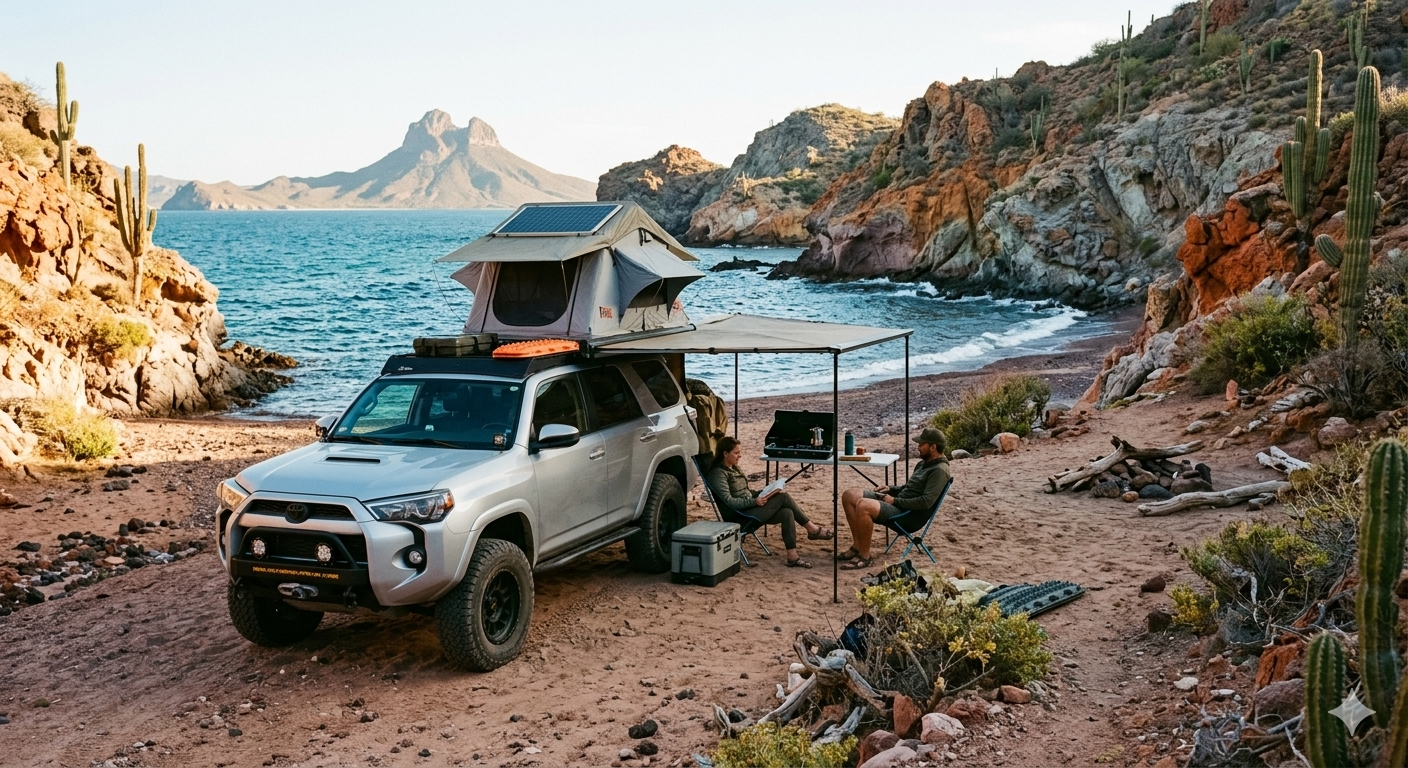
The Thrill of Overlanding: What It Is and Why It Matters
The significance of overlanding is rooted in its immersive nature. It offers adventure enthusiasts an opportunity to engage with diverse terrains, 🗺️ from rugged mountains to vast deserts, each unique environment allowing for various forms of exploration. The experience 📔of traversing these landscapes fosters a profound appreciation for nature’s beauty and diversity. Overlanders often find themselves camping under the stars 📸, away from modern civilization, enabling a unique encounter with the natural world not available through conventional travel.

Additionally, overlanding serves as a bridge to different cultures. As adventurers travel through various regions, they often interact with local communities, exchange knowledge, and experience cultural traditions firsthand. This intercultural ⚜️ dialogue enriches the journey, allowing individuals to gain insights into the lives and customs of people in remote areas. Therefore, overlanding can be seen as an essential form of travel that promotes not only personal exploration but also cultural understanding.
The freedom to explore 🌬️ off the beaten path is a central appeal of overlanding. This type of travel encourages spontaneity, inspired by the lure of the unknown and the potential for discovery. Overall, overlanding captures the essence of adventure, making it a significant aspect of modern travel culture. It combines the thrill of exploration with the tranquility of nature, highlighting the importance of immersion in both the environment and the local communities that call these landscapes home.

Upgrading: Key Features for the Ultimate Overlanding Experience
One of the most significant upgrades is the suspension system. An enhanced suspension not only improves ride quality but also increases ground clearance, allowing for better navigation through rugged terrains. Consider an aftermarket suspension lift kit, which can help improve approach and departure angles, providing greater capability on steep inclines and declines.
Tire selection is equally important when preparing your rig for overlanding. Upgrading to all-terrain or mud-terrain tires can improve traction in various environments, whether traversing rocky landscapes, sandy dunes, or muddy trails. Look for tires that provide durability as well as grip, ensuring that your adventures remain uninterrupted.
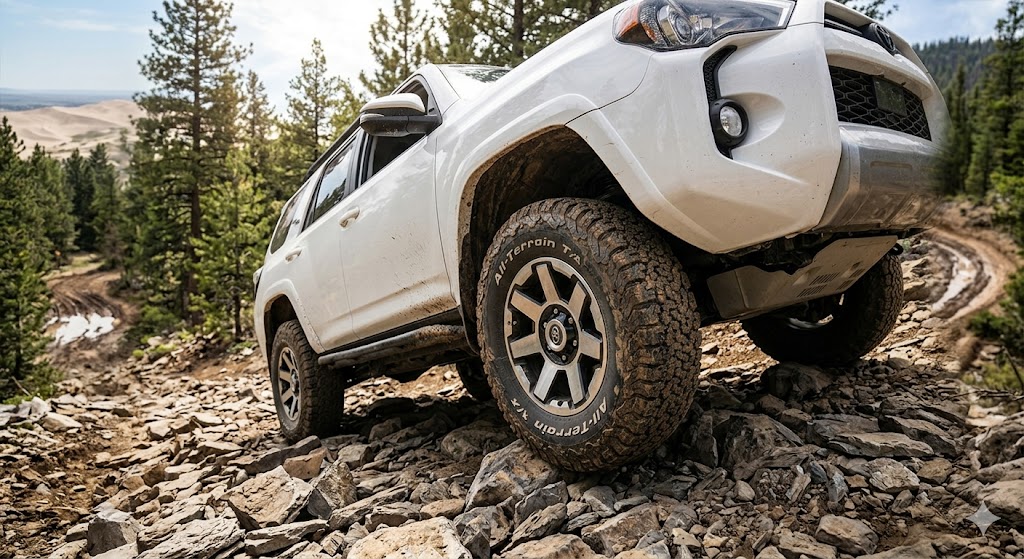
Another critical aspect of an upgraded overlander is the addition of roof racks or cargo boxes. These features expand your storage capabilities, allowing you to carry extra gear, camping equipment, or even additional fuel for long trips. A robust roof rack can also accommodate accessories such as kayak mounts or bike carriers, fostering a more versatile adventure experience. Furthermore, consider integrating off-grid power solutions, like solar panels or portable battery systems, to keep your devices charged and ensure you have access to energy while in remote locations.
Incorporating these modifications can significantly enhance your Xterra for overlanding, ensuring that you are well-equipped to handle the challenges of the wild. Each upgrade contributes to a more enjoyable, safe, and successful expedition into nature.
Planning Your Overland Journey: Tips for Navigating Nature Expeditions
Embarking on an overland journey offers an incredible opportunity to explore the great outdoors, but proper planning is crucial for a successful adventure. A well-organized overland expedition begins with meticulous route planning. Utilize detailed maps and GPS systems to design your route, factoring in the terrain, points of interest, and potential hazards. Ensure that you account for the distance you can realistically travel each day based on your vehicle’s capabilities and your personal comfort level.
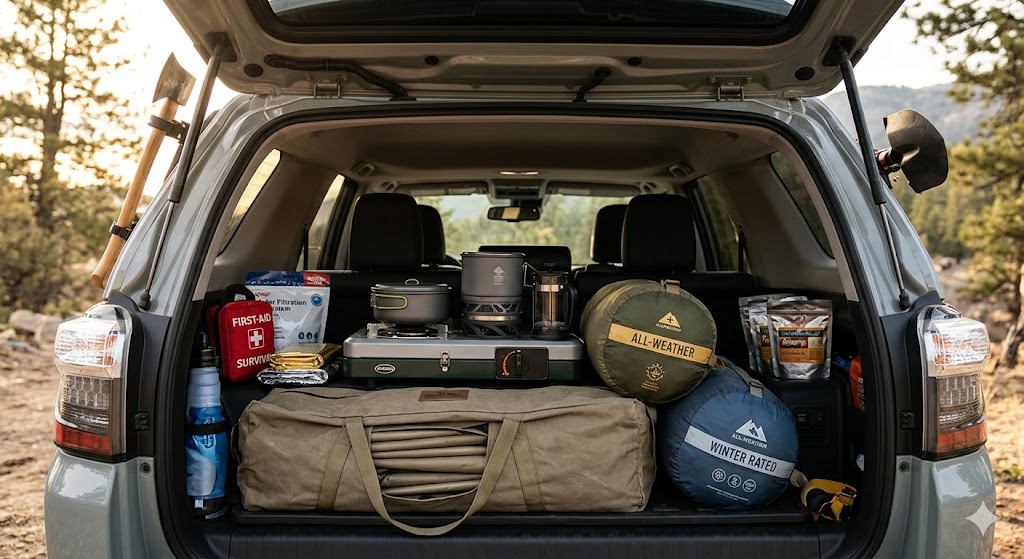
Essential gear is another vital component of your preparation. Invest in high-quality camping equipment, including a durable tent, sleeping bags suitable for varying temperatures, and cooking tools. Additionally, consider packing emergency supplies that include first-aid kits, extra food, and water purification methods. The unpredictable nature of the wilderness often demands flexibility, so be prepared for sudden changes in weather and environmental conditions.
Understanding local regulations is equally important, as different regions may have specific rules governing camping, campfires, and vehicle access to certain areas. Research these regulations ahead of time to avoid unexpected fines or disruptions during your trip. Familiarize yourself with Leave No Trace principles to minimize your ecological footprint and preserve the pristine environments you traverse.
Lastly, navigation tools are indispensable for safely exploring remote regions. In addition to GPS systems, consider carrying physical maps and a compass as backups. Learning how to read maps and utilize navigational equipment will enhance your confidence while navigating through unfamiliar landscapes. By following these practical tips for route planning, essential gear selection, and an understanding of local regulations, your overland journey will be a memorable and safe venture into the wild.
Embracing Nature: Experiences and Benefits of Overlanding
Overlanding offers a unique opportunity to immerse oneself in nature while navigating the open roads of remote landscapes. Many adventurers report profound personal growth stemming from their experiences in the outdoors. The essence of overlanding lies not just in the journey but in the connections made with the environment and fellow travelers. Stories shared among enthusiasts often highlight moments of awe inspired by breathtaking natural beauty, whether it’s witnessing the sunrise over a majestic mountain range or discovering hidden waterfalls off the beaten path.
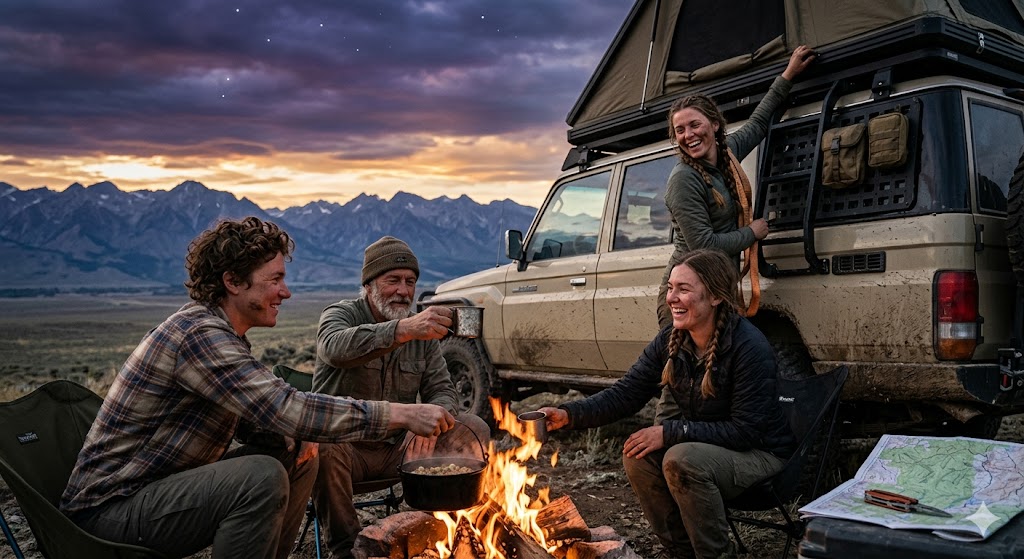
Overlanders frequently describe the thrill of overcoming challenges that come with traversing unfamiliar terrains. Navigating rough roads, setting up camp under the stars, and cooking meals over a campfire is a rewarding experience that fosters resilience and adaptability. Each adventure cultivates a sense of accomplishment; the trials faced on the road teach valuable life lessons and strengthen problem-solving skills. Such experiences encourage a deeper appreciation for the simplicity of life, contrasting sharply with the complexities of urban living.
Furthermore, the community aspect of overlanding cannot be overlooked. Engaging with other travelers creates bonds through shared experiences and challenges. Whether it is swapping stories around a campfire or assisting one another in overcoming mechanical issues, these interactions foster a spirit of camaraderie among adventurers. Additionally, this lifestyle provides a much-needed respite for mental health, enabling individuals to disconnect from technology and reconnect with their surroundings. Overlanding serves as a powerful antidote to the stresses of modern life, offering therapeutic benefits through outdoor activities and solitude. Ultimately, the holistic experiences gained through overlanding enrich lives, reminding participants of the beauty that exists beyond everyday routines.
Designing a custom ladder for the Xterra
A brilliant way to maximize your rig’s utility. Since the Xterra already has those iconic bumper “corner steps,” a custom ladder can bridge the gap between the ground and the roof, while acting as a vertical gear locker.
Here are some ingenious features and design considerations for a custom overland ladder.
1. Modular Gear Mounting
Instead of just being a ladder, design the side rails to act as a Modular Accessory Platform.
- Side-Rail Molle Panels: Laser-cut a Molle grid pattern directly into the side of the ladder plates. This allows you to strap on small pouches, a fire extinguisher, or a first-aid kit without blocking the rungs.
- Integrated Rotopax/MaxTrax Studs: Design a “sandwich” mount on the back of the ladder. You can mount a 2-gallon Rotopax or a pair of traction boards between the ladder and the hatch glass (if there is enough clearance) or directly to the outside of the ladder.
- Vertical Tool Clips: Use rubber Quick Fist clamps to secure a shovel or an axe to the ladder’s side.
2. Transformative Camping Features
Make the ladder part of your “camp kitchen” or relaxation zone.
- Flip-Down Prep Table: Design one of the middle rungs to be a hinge point for a small, fold-down aluminum table. It’s perfect for a morning coffee station or a place to set your stove while the hatch is closed.
- The “Ladder Bench”: Use extra-wide, flat rungs (at least 4″ deep) with grip tape. This allows the bottom two steps to double as a makeshift bench or a high-shelf for gear while you’re parked.
- Integrated Bottle Opener: It’s a classic, but milling a bottle opener into one of the mounting brackets is a simple, high-value addition.
3. Tech and Lighting Integration
A ladder is the highest structural point on the rear of your car, making it the perfect mounting spot for electronics.
- Recessed LED Pods: Cut holes into the top “elbow” of the ladder for small LED pods. These can serve as high-mount reverse lights or camp scene lighting that illuminates the area directly behind your trunk.
- Shower Arm Hook: Add a high-mount hook or a “clip-in” point for a solar shower head. This turns the back of your Xterra into a hands-free outdoor shower.
- Magnetic Tool Strip: Embed a strong magnet along one of the side rails. It’s incredibly useful for holding screws, bits, or a multi-tool while you’re working on roof gear.
4. Structural & Safety Innovations
- Removable Bottom Section: For security, design the bottom two rungs to be removable or “flip-up.” This prevents unauthorized people from climbing onto your roof rack when you’re away from the vehicle.
- Angled Steps: Instead of perfectly vertical steps, angle the rungs slightly (like a staircase). This makes climbing much more ergonomic, especially when wearing heavy hiking or off-road boots.
- Wiper Clearance “Arch”: The Xterra has a large rear wiper. Ensure your design has a slight “offset” or arch so the wiper can complete its full path without hitting the ladder.
Crucial Xterra Design Note: The “Strut Tax”
Adding a ladder and gear to a hatch is heavy. Even a “lightweight” setup will likely cause your hatch to sag.
- Upgrade your Struts: You will almost certainly need to swap your factory hatch struts for 175lb or 200lb gas springs (McMaster-Carr is the go-to source for Xterra owners).
- No-Drill Clamping: If you want to preserve your hatch, design a “wrap-around” clamping system that grips the top and bottom edge of the hatch door rather than drilling through the sheet metal.